Why do focus groups matter in MedTech & Biotech Go-To-Market
Strong science is not enough
In healthcare innovation, the science is often excellent. The technology is strong. Clinical data is solid. Intellectual property is protected. Yet many MedTech and Biotech startups struggle. Not because their product does not work, but because their go-to-market strategy is not strong enough. Healthcare is not a laboratory. It is a complex system with its own rules.
The real complexity of healthcare markets
In healthcare, decisions are rarely simple.
There are many stakeholders involved. Sales cycles are long. Regulations influence messaging and timelines. Budgets are limited and often split across departments. Most importantly, adoption depends on daily workflow, not only on clinical performance.
Many founders believe that once the science is validated, adoption will follow. They hear positive feedback: “This is very interesting.”, “Great innovation.” ,“We would use it.”
But interest is not commitment, enthusiasm is not adoption and a pilot is not recurring revenue. Between clinical validation and commercial validation, there is a gap. And that gap is where startups lose time and money.
Focus Groups: from assumptions to evidence
Structured focus groups are not simple marketing exercises. They are strategic tools.
They help you understand how the market really works before you invest in scaling sales or raising the next funding round.
They help answer critical questions:
- Who truly makes the decision?
- Who controls the budget?
- How does the decision process really happen?
- How does your solution fit into daily practice?
- What could slow down or block adoption?
- Is there real willingness to pay?
These are questions many pitch decks assume, but rarely validate.
The objective is clear: get answers early.
Well-designed focus groups reveal objections, pricing concerns and positioning weaknesses before they become expensive mistakes. In healthcare, early clarity creates competitive advantage.
User Group Meetings: building a customer-centric community
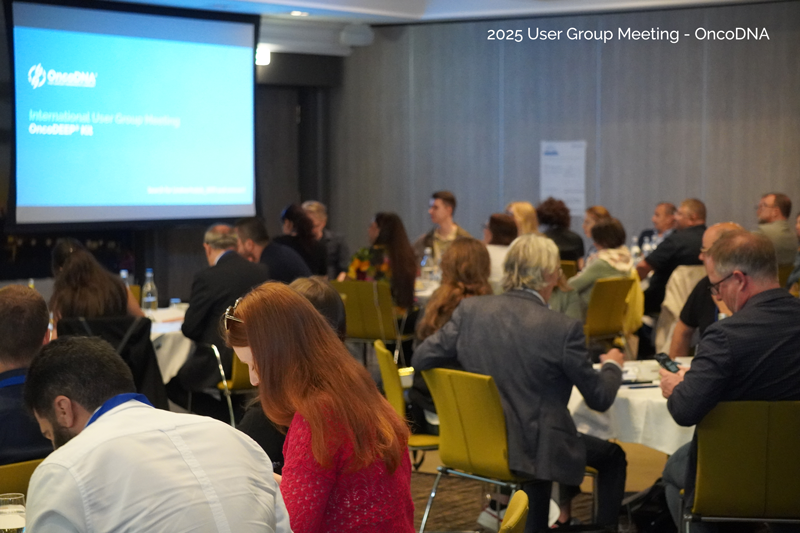
User Group Meetings are another powerful lever. Unlike one-off research sessions, they create continuity. They bring together early adopters, experts and users who share real-world experience.
A well-structured User Group Meeting does more than present a product. It builds a customer-centric community. It encourages peer-to-peer discussion. It highlights practical challenges and real use cases.
Over time, this strengthens trust, improves implementation and supports adoption.
In healthcare, growth is not only about selling. It is about building credibility and community.
Why investors care
Investors expect strong science and clear regulatory pathways.
But what truly reduces risk is commercial validation.
When a startup can demonstrate structured user feedback, mapped stakeholders, identified economic buyers, tested willingness to pay and an active user community, the story changes.
- It shows maturity.
- It shows discipline.
- It shows execution capability.
And that is what investors fund.
How Biopharmark can help
At Biopharmark, we support MedTech and Biotech founders in turning assumptions into evidence.
Through structured focus groups, User Group Meetings and clear market positioning, we help transform scientific innovation into real market traction.
Our mission is simple: make science accessible through strong communication and smart go-to-market strategy.